Moss and dark streaks show up on Connecticut roofs every August, and most homeowners assume both are cosmetic. Only one of them is. Algae leaves black stains that look bad and do little else. Moss holds water against your shingles, lifts their edges, and creates the conditions for a leak. Knowing which growth you have decides whether you need a cleaning or a repair.
What Causes Moss And Algae On Connecticut Roofs
Late summer gives both organisms exactly what they need. Hartford averages close to 70 percent relative humidity in August, the most humid stretch of the Connecticut summer, and mature tree cover keeps large sections of most roofs in shade from morning to evening. Warm air, standing moisture, and limited sunlight are the full recipe.
Why Moss Takes Over North-Facing Slopes
The Asphalt Roofing Manufacturers Association notes that moss requires constant moisture and thrives on north-facing roof planes that receive less direct sunlight. Overhanging branches make it worse twice over, casting shade that slows drying and dropping debris that traps moisture against the shingles. This is why one slope of a roof can look clean while the other turns green.
What The Black Streaks Actually Are
Those dark stains are not dirt, soot, or mildew. ARMA identifies Gloeocapsa magma as the most prevalent algae species behind roof discoloration. It travels through the air, which is why streaks tend to appear across a whole neighborhood in the same season, and it produces a dark pigmented sheath to shield itself from ultraviolet light. That sheath is the streak you see from the driveway.
Is Moss On Your Roof Actually A Problem
Yes, though the two growths carry very different risks. Treating them as the same problem is how homeowners either overspend on a stain or ignore something that ends in a leak.
Moss Lifts And Curls Your Shingles
Moss does not simply sit on top of the roof. It works into the seams between shingles and grows underneath them. According to ARMA, moss can cause the leading edges of shingles to lift or curl, which increases the risk of shingle blow-off during wind events. A lifted edge is the first thing a nor’easter or a summer thunderstorm finds.
When Growth Turns Into A Leak
Once those edges lift, water stops running straight down the roof the way the system was designed to shed it. ARMA warns that severe cases produce lateral water movement, which can lead to roof deck moisture damage or leaks. At that stage the fix is no longer a cleaning. If you are already seeing ceiling stains or damp spots in the attic, review the early signs you need roof repair before the moisture reaches the decking.
Algae Is Cosmetic, Moss Is Structural
Algae discolors shingles. It does not consume them or shorten the life of the roof. Moss causes physical damage. That distinction should drive how quickly you act. Black streaks can wait for a convenient weekend. A thick mat of moss growing along the shingle edges should not.
How To Remove Moss And Algae Safely
Roof cleaning is one of the few maintenance jobs where the wrong method costs more than the original problem. The method matters more than the product.
The Cleaning Method Manufacturers Approve
ARMA recommends a 50:50 mix of laundry strength liquid chlorine bleach and water, applied with a sprayer, left to dwell on the surface for 15 to 20 minutes, then rinsed thoroughly with low pressure water. Protect landscaping and surrounding surfaces before you start, and wear appropriate protective equipment. Mixing directions vary between shingle manufacturers, so check your warranty paperwork before mixing anything stronger.
Never Pressure Wash An Asphalt Roof
This is the mistake that turns a cosmetic issue into a replacement. ARMA is unambiguous: never use a pressure washer on an asphalt shingle roof, because it causes granule loss and very likely premature failure. Those granules are the shingle’s UV protection. Stiff brushes and push brooms do the same damage, just more slowly.
Expect To Repeat The Treatment
ARMA is clear that the effectiveness of cleaning is only temporary and the discoloration may recur. Cleaning treats the symptom, not the shade and moisture that caused it. Plan on revisiting the roof periodically unless you also change the conditions on it.
When To Call A Professional
Wet growth on a sloped roof is slick, and bleach solution makes it worse. Steep pitches, second-story slopes, and any roof you cannot reach safely from a stable ladder belong to a contractor. There is a second reason to bring someone up there. Moss usually establishes where the roof already stays wet, so a professional cleaning doubles as an inspection of the flashing, valleys, and shingle edges underneath. Our residential roofing team handles both in one visit.
How To Keep Moss And Algae From Coming Back
Prevention comes down to giving the roof more sun and less standing water.
Trim Branches And Clear Debris
ARMA recommends trimming overhanging branches to increase sunlight, clearing accumulated debris with a leaf blower rather than a rake, and keeping gutters draining properly. Clogged gutters back water up under the lowest courses of shingles, which is the same area where moss establishes first. If yours overflow during heavy rain, gutter repair or replacement is part of the moss fix, not a separate project.
Skip The Zinc Strips On An Existing Roof
The most common advice online is to nail zinc or copper strips along the ridge so rain carries metal ions down the slope. ARMA advises against adding strips to an existing roof, because installation requires either exposed nails, which can cause leaks over time, or breaking the sealant bond between shingles. Either outcome trades a cosmetic problem for a real one. Metal strips belong on a roof at the time it is installed, not retrofitted onto one already sealed.
Fix The Moisture Coming From Inside
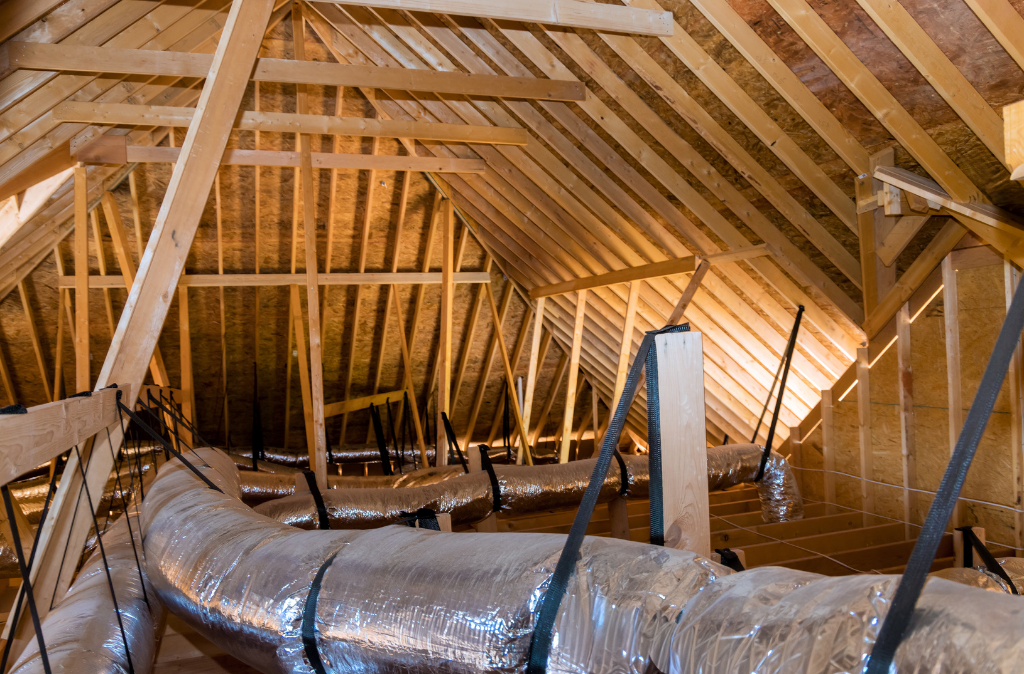
Not all roof moisture arrives as rain. Poor attic airflow keeps the roof deck damp from below, which slows drying on the surface above. If your upstairs runs hot or you have seen ice dams in winter, the ventilation problem behind a hot attic is likely feeding the growth on your shingles as well.
Choose Algae-Resistant Shingles At Replacement
Algae-resistant shingles carry copper granules that release slowly over time to inhibit growth. Coverage for algae resistance typically runs 10 to 15 years depending on the product, and manufacturers generally exclude moss, lichen, and other biological growths from that coverage, so this is protection against streaking rather than against moss. If your roof is already showing signs it needs replacement, specifying algae-resistant shingles costs little on top of the job. Compare the options on our roofing materials page.
Get The Growth Looked At Before Fall
August is the right month to deal with this. Growth is at its peak and easy to see, the weather is still dry enough to work, and there is time to correct any lifted or curled shingles before the first fall storms and winter freeze arrive. Waiting until spring means a full season of wind and ice working on edges the moss has already loosened.
Rising Star Roofing inspects the growth, identifies whether it is algae or moss, and checks the shingles and flashing underneath for damage you cannot see from the ground. Request your free roofing estimate and we will tell you whether you are looking at a cleaning or a repair.